The Original Female Mogul: How Madame Tussaud Built a Global Brand in the 19th Century
- Friday July 24th 2026
- Author: Matt Meyers
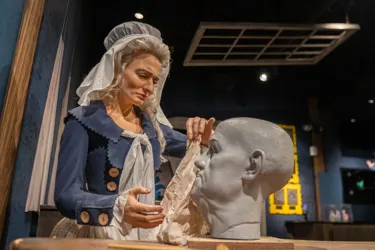
When people hear the name Madame Tussauds, they usually think of lifelike celebrity wax figures, unforgettable selfies, and immersive attractions around the world. But behind one of the world's most recognizable entertainment brands is an even more fascinating story.
Long before the words entrepreneur, personal brand, or global franchise existed, Marie Tussaud built an entertainment empire through resilience, artistry, innovation, and business savvy.
She survived the French Revolution, traveled thousands of miles across Britain with an exhibition, adapted to changing audiences, and created an attraction that has remained relevant for more than two centuries. In many ways, she was one of history's first female entertainment entrepreneurs—a true global mogul decades before women were commonly recognized as business leaders.
Today, her name continues to inspire millions of visitors, including guests at Madame Tussauds Orlando, where modern celebrities, athletes, musicians, and superheroes continue the tradition she began over 200 years ago.
Who Was Madame Tussaud?
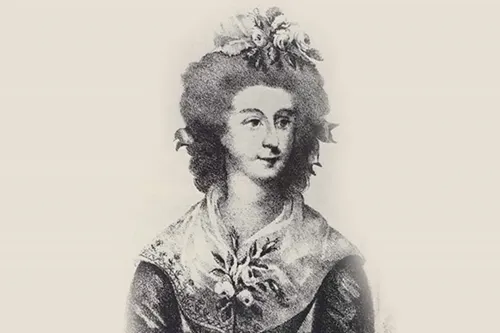
Madame Tussaud was born Marie Grosholtz in Strasbourg, France, in 1761.
Her father died before she was born, and her mother worked as the housekeeper for Dr. Philippe Curtius, a physician and talented wax sculptor. Curtius quickly recognized Marie's artistic abilities and trained her in the intricate craft of wax modeling from a young age.
Unlike most children of the era, Marie learned a highly specialized artistic skill that blended:
-
Sculpture
-
Anatomy
-
Portraiture
-
Chemistry
-
Fine craftsmanship
These skills would eventually become the foundation of an entertainment empire.
A Young Artist Sculpting the World's Most Famous People
By just sixteen years old, Marie had already sculpted one of history's greatest thinkers:
-
Voltaire
-
Benjamin Franklin
-
Jean-Jacques Rousseau
Her realistic wax portraits attracted enormous public attention because photography wouldn't exist for another half century.
For many people, seeing one of Marie's sculptures was the closest they would ever come to meeting a famous person.
Sound familiar?
That same excitement still drives visitors today who line up to pose beside celebrities at Madame Tussauds attractions worldwide.
Surviving the French Revolution
Few entrepreneurs have launched a business under more extraordinary circumstances.
When the French Revolution erupted in 1789, Marie's connections to the royal family placed her in serious danger.
She was imprisoned during the Reign of Terror and narrowly escaped execution herself. After her release, she was required to create wax death masks of many prominent figures associated with the Revolution, including members of the French aristocracy. While some details of later accounts remain debated by historians, this period unquestionably shaped both her career and the historical significance of her collection.
Rather than allowing these experiences to define her, Marie transformed her growing collection into something entirely new:
A living record of history.
Turning Art Into Entertainment
When Dr. Curtius died in 1794, Marie inherited his entire wax collection.
This inheritance gave her something incredibly valuable:
Not just sculptures.
An audience.
She continued creating new figures featuring politicians, military leaders, philosophers, writers, and famous personalities, constantly updating her exhibition to reflect current events.
This was one of the earliest examples of what marketers today would call:
-
Fresh content
-
Trending topics
-
Audience engagement
Even in the late 1700s, Marie understood that people wanted to experience the personalities everyone was talking about.
The Business Move That Changed Everything
In 1802, Marie made what would become the defining decision of her career.
She took her wax exhibition across the English Channel and began touring Britain.
Instead of waiting for audiences to come to her, she brought the attraction directly to them.
For the next three decades she traveled throughout England, Scotland, and Ireland, transporting hundreds of delicate wax figures from city to city.
It wasn't easy.
Roads were rough.
Transportation was slow.
Each figure required careful maintenance.
Yet audiences kept coming.
The traveling exhibition became one of Britain's most popular forms of entertainment.
Building One of the World's First Entertainment Brands
Many businesses of the early 1800s disappeared within a few years.
Marie Tussaud's did not.
Why?
Because she understood something timeless.
People are naturally curious about famous people.
Whether those celebrities were:
-
Royalty
-
Politicians
-
Military heroes
-
Authors
-
Actors
-
Athletes
-
Musicians
People wanted to see them up close.
Her exhibitions became destinations where history, pop culture, and storytelling came together.
Today we might call that experiential entertainment.
Marie simply called it her life's work.
Opening a Permanent Home in London
After decades of touring, Marie finally opened her first permanent exhibition in London in 1835 at Baker Street Bazaar.
This transformed her business from a traveling attraction into a destination.
Visitors could explore:
-
Historical figures
-
World leaders
-
Cultural icons
-
Revolutionary artifacts
-
Famous personalities
One exhibit became especially famous.
The "Separate Room," later nicknamed the Chamber of Horrors, featured artifacts and figures connected to crime and the French Revolution. It became one of London's biggest attractions and demonstrated Marie's understanding of audience curiosity.
Why Madame Tussaud Was Ahead of Her Time
Today we celebrate women who build billion-dollar companies.
Marie Tussaud did something arguably even harder.
She built an internationally recognized brand in the early 1800s.
She succeeded during an era when women rarely owned businesses or gained recognition as entrepreneurs.
Her success came from combining:
|
Business Principle |
Madame Tussaud's Innovation |
Why It Still Matters |
|
Personal branding |
Built the attraction around her own name |
Strong brands create trust |
|
Innovation |
Constantly added new public figures |
Keeps experiences relevant |
|
Storytelling |
Every figure told a larger story |
Visitors remember narratives |
|
Adaptability |
Updated exhibits with current events |
Fresh content drives repeat visits |
|
Experiential marketing |
Guests experienced history in person |
Modern attractions still rely on immersion |
Many of these same principles continue to define successful entertainment brands today.
From One Woman's Collection to a Global Attraction
What began as a single collection has grown into one of the world's most recognized entertainment experiences.
Today, Madame Tussauds attractions can be found across North America, Europe, Asia, Australia, and the Middle East, welcoming millions of guests every year. The Orlando attraction opened in 2015, bringing Marie Tussaud's legacy to Central Florida.
That remarkable expansion speaks to the timeless appeal of her original vision: bringing people face-to-face with the personalities who shape history and popular culture.
Madame Tussaud's Legacy Lives On at Madame Tussauds Orlando
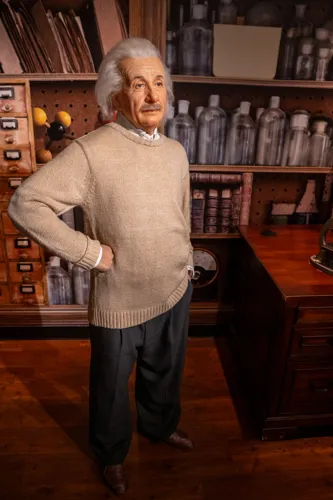
Visitors to Madame Tussauds Orlando aren't simply walking through a celebrity attraction.
They're participating in a tradition that began more than 200 years ago.
Instead of philosophers and kings, today's guests can meet:
-
Movie stars
-
Music legends
-
Sports icons
-
Superheroes
-
Television personalities
-
Cultural influencers
Each figure is handcrafted using techniques descended from the same artistic tradition Marie learned from Dr. Curtius, while incorporating modern technology and materials to achieve extraordinary realism.
Why People Still Love Wax Figures
Technology has changed dramatically.
Photography.
Television.
Movies.
Social media.
Artificial intelligence.
Yet millions still visit Madame Tussauds every year.
Why?
Because seeing someone in person, even in wax, creates a connection that photos cannot replicate.
Guests don't just look at exhibits.
They:
-
Pose beside celebrities
-
Step into movie scenes
-
Join interactive experiences
-
Create memorable family photos
-
Share their experiences online
Marie Tussaud understood centuries ago that people don't simply want to observe history.
They want to feel part of it.
Experience History Through Today's Icons
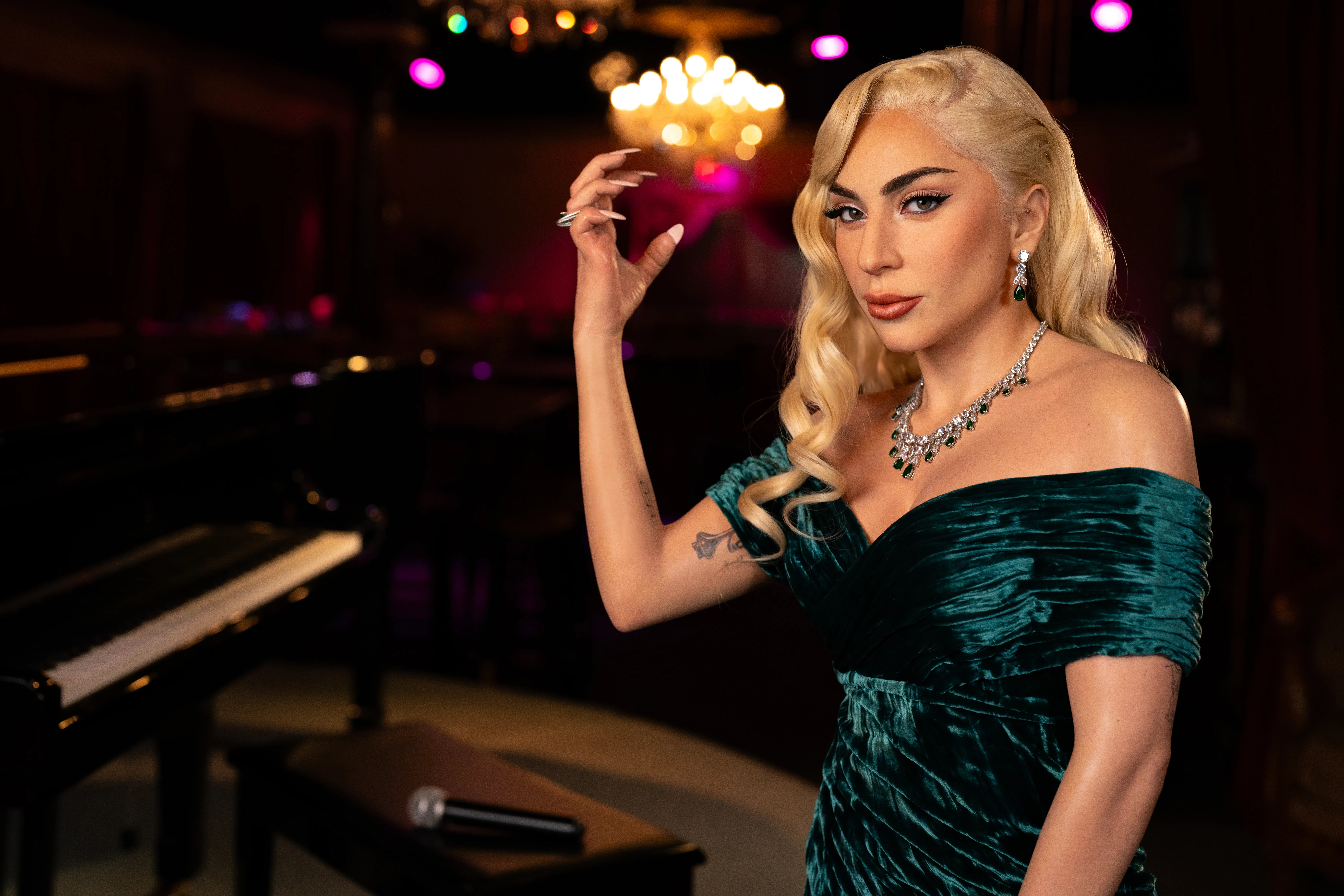
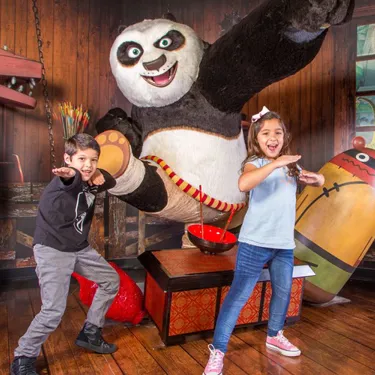
At Madame Tussauds Orlando, guests can continue the tradition of getting closer to famous faces in an interactive way. Whether you're striking a pose with Hollywood stars, standing beside sports legends, or stepping into immersive themed experiences, the attraction celebrates the same spirit of curiosity that inspired Marie Tussaud's first exhibitions.
Located at ICON Park on International Drive, it's an ideal stop for families, couples, friend groups, and pop culture fans looking to add something unique to their Orlando vacation. Every visit is an opportunity to create your own memorable moments while connecting with a legacy that spans more than two centuries.
Why Madame Tussaud's Story Still Matters
History often celebrates inventors, explorers, and political leaders.
But entrepreneurs like Marie Tussaud deserve a place among them.
She proved that creativity could become a business.
That storytelling could become entertainment.
That curiosity could become a destination.
Most importantly, she demonstrated that a woman could build a globally recognized brand during an era when few had the opportunity to do so.
More than 200 years later, millions of visitors continue to experience her vision around the world, including right here in Orlando.
Every selfie with a celebrity figure, every laugh shared with family, and every unforgettable photo is part of a story that began with one extraordinary artist who believed people would always be fascinated by history, culture, and the famous faces who shape it.
That belief built one of the world's longest-lasting entertainment brands and it all started with Madame Tussaud.
Quick Facts About Madame Tussaud
|
Question |
Answer |
|
Who was Madame Tussaud? |
Marie Tussaud (born Marie Grosholtz) was a French wax sculptor and entrepreneur born in 1761. |
|
Why is she famous? |
She created lifelike wax figures and founded the attraction that became Madame Tussauds. |
|
When did Madame Tussauds open? |
Her first permanent exhibition opened in London in 1835. |
|
Why is Madame Tussaud considered a pioneer? |
She built one of the world's earliest global entertainment brands and was a successful female entrepreneur in the 19th century. |
|
Where is Madame Tussauds Orlando? |
At ICON Park on International Drive in Orlando, Florida. |
Frequently Asked Questions
Madame Tussaud was Marie Grosholtz, a French wax sculptor born in 1761 who founded the famous wax attraction after learning the craft from Dr. Philippe Curtius and opening her first permanent exhibition in London in 1835.
She successfully built, marketed, and expanded a traveling entertainment business into an internationally recognized brand during the early 1800s, an era when very few women owned or operated major businesses.
Its realistic wax figures, timely portrayals of famous people, engaging storytelling, and ability to evolve with popular culture helped the attraction grow from a traveling exhibition into a global entertainment destination.
Yes. Madame Tussauds Orlando is part of the worldwide Madame Tussauds family and continues the legacy of Marie Tussaud by showcasing lifelike wax figures of today's biggest stars in immersive, interactive settings.
Madame Tussauds Orlando offers guests the chance to get up close with celebrities, athletes, musicians, and iconic characters while experiencing the living legacy of one of history's most remarkable female entrepreneurs.
Related blogs
Most Instagrammable Places in Orlando: The Ultimate Photo Guide
Discover the most Instagrammable places in Orlando, from Madame Tussauds Orlando and The Orlando Eye to SEA LIFE Orlando Aquarium, Lake Eola Park, ICON Park, and more. Find the best Orlando photo spots for unforgettable vacation memories.
Related blog posts
Beyond the Theme Parks: The Ultimate Orlando Pop Culture Guide (2026)
Discover Orlando beyond the theme parks! From superheroes to celebrity encounters, explore the ultimate 2026 pop culture guide to Madame Tussauds & ICON Park.
Related blog posts
Where Do the Stars Live? Your Guide to Celebrity Sightings and Homes in Orlando
Wondering where celebrities live in Orlando? Explore top star-studded neighborhoods like Windermere, then get guaranteed star sightings at Madame Tussauds.
Related blog posts
From Taylor Swift to Bad Bunny: How to Have the Ultimate Pop Music Day in Orlando
Love Taylor Swift, Bad Bunny, Lady Gaga, Beyoncé, Dua Lipa, Ariana Grande, or Rihanna? Orlando isn't just home to incredible concerts—it's also one of the best destinations for music lovers looking to immerse themselves in pop culture. From stepping on stage with your favorite stars at Madame Tussauds Orlando to enjoying live music, iconic restaurants, and unforgettable nightlife, here's how to plan the ultimate pop music day in Orlando.
Related blog posts