How Are Wax Figures Made? The Art Behind Madame Tussauds
- Tuesday November 24th 2026
- Author: Matt Meyers
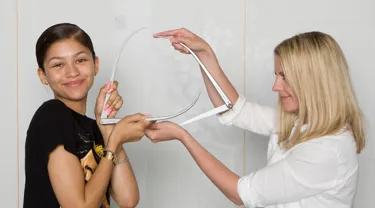
How does Madame Tussauds create wax figures that look so much like the celebrities they represent? It takes far more than pouring wax into a mold. Each figure is the result of detailed research, careful measurements, sculpting, specialist craftsmanship, realistic coloring, hair styling and finishing touches.
From capturing a celebrity's facial proportions to recreating the texture of their skin, hairstyle, expression and clothing, creating a lifelike wax figure requires the combined work of multiple skilled artists.
At Madame Tussauds Orlando, guests can get up close with more than 90 celebrity wax figures, making it possible to see the finished artistry at close range. But what happens before a famous face arrives at the attraction?
How are Madame Tussauds wax figures created?
Creating a lifelike wax figure involves multiple stages, from gathering reference material and sculpting a likeness to casting, coloring, hair insertion and final styling.
Although exact production methods and timelines may vary between figures, the process combines traditional sculptural techniques with detailed reference work and specialist finishing.
Step 1: Measurements, photographs and reference details
The process begins by gathering detailed information about the person being recreated.
When a celebrity participates in a sitting, artists can take measurements and photographs from multiple angles to help capture their likeness. Reference details may include facial proportions, eye color, skin tone, hairstyle, expression and other distinguishing features.
The goal is to understand not only the person's appearance but also the details that make them recognizable.
For a celebrity figure, the artists may need to recreate a particular outfit, hairstyle, pose or appearance associated with a specific public moment.
If a subject is unable to participate in a sitting, artists may need to work from existing photographs and other reference material.
Step 2: Sculpting the likeness
Sculpting is one of the most important parts of creating a realistic wax figure.
Using measurements and photographs as reference, sculptors work to recreate the person's facial structure, proportions and expression. Clay is commonly used to model the likeness before the wax casting stage.
This requires careful attention to details such as:
-
Shape of the face and jaw.
-
Forehead and cheekbones.
-
Nose and lips.
-
Eye shape and spacing.
-
Facial expression.
-
Skin contours and distinguishing features.
A small difference in facial proportions can change how recognizable a person appears, so sculpting requires precision and repeated attention to detail.
The figure's pose is also important. The way a person stands, holds their hands, tilts their head or expresses themselves can contribute to capturing their personality and public image.
Step 3: Creating the mould and wax form
Once the sculpted model is ready, the next stage involves creating a mould that can be used to form the wax components.
A casting process allows artists to reproduce the sculpted shape in wax. The wax components are carefully prepared before the finishing work begins.
Wax is particularly important for areas where detailed surface appearance is essential, such as the head and hands.
The casting stage transforms the sculpted model into the foundation of the finished figure.
Step 4: Creating realistic eyes and facial details
The eyes are among the most important details in a lifelike wax figure.
Artists carefully recreate eye color, shape and positioning to match the subject. Teeth and other facial details are also developed to help capture the person's likeness.
These elements contribute significantly to the realistic appearance of the figure, especially when guests can stand only a short distance away.
The facial details must work together with the sculpted proportions, coloring, expression and hairstyle.
Step 5: Coloring the skin
Creating a realistic skin tone involves careful color work.
Artists apply layers of coloring and paint to recreate the appearance of human skin, including subtle variations in tone, shading and surface detail.
The process requires close observation of reference material because real skin is not a single uniform color.
Artists work to replicate the overall complexion and details that make the subject's face recognizable under the lighting used throughout the attraction.
Step 6: Adding hair, eyebrows and eyelashes
Hair is another essential part of a celebrity wax figure's likeness.
Madame Tussauds figures can feature individually inserted real human hair, including the hair used to create eyebrows and eyelashes. This detailed process helps achieve a natural-looking hairstyle.
Artists and hair specialists work to recreate the subject's hairstyle, hairline, color, texture and overall shape.
Once the hair is in place, it can be cut, styled and adjusted to match the intended appearance.
The hair, facial details and coloring must work together to create a convincing likeness.
Step 7: Clothing, accessories and finishing touches
A figure's clothing and accessories help complete the recreation.
The outfit may be selected to represent a recognizable appearance, such as a red carpet outfit, music video look, sporting uniform, movie costume or signature style.
Clothing, shoes, jewelry and other accessories contribute to the finished figure and help visitors recognize the person being portrayed.
The finishing stage brings together all the individual elements, including the sculpted likeness, coloring, hair, clothing, pose and accessories.
Step 8: Final review and maintenance
Before a figure is displayed, it must be reviewed to ensure its appearance and details are ready for guests.
The work does not necessarily end once the figure arrives at an attraction. Figures require ongoing care and maintenance to preserve their appearance.
Hair may need styling, clothing may require attention, and surface details may need adjustments over time.
Because guests can get close to many figures at Madame Tussauds, maintaining their appearance is an important part of keeping the attraction ready for visitors.
How long does it take to make a wax figure?
Creating a Madame Tussauds wax figure can take several months and involves multiple artists and specialist skills.
The timeline depends on the individual figure, the complexity of the likeness, reference materials, sculpting, casting, hair work, coloring, clothing and finishing requirements.
Some official Madame Tussauds figure-making stories have described production involving approximately 20 artists, hundreds of measurements and photographs, and months of work.
The process is not a simple production line. Each figure has its own requirements, and recreating an individual person's appearance involves a considerable amount of careful detail.
Why do Madame Tussauds wax figures look so realistic?
The realism comes from combining multiple elements rather than relying on wax alone.
The sculpted proportions, facial expression, eye details, skin coloring, hair, pose, clothing and lighting all contribute to the finished appearance.
When those details are accurately recreated, a figure can look remarkably similar to the person it represents.
This is particularly noticeable at Madame Tussauds Orlando, where guests can pose alongside figures, photograph them from different angles and see many of the details up close.
What materials are used to make wax figures?
Wax is an important material in creating Madame Tussauds figures, particularly for detailed areas such as heads and hands.
However, a complete figure is not necessarily made entirely of wax. The construction can involve different materials and components depending on the design, including internal support structures and body materials used to provide stability.
The materials are selected to help create the figure's appearance, structure, durability and ability to be displayed.
The sculpting, casting, coloring and finishing work are what transform the materials into a lifelike celebrity recreation.
How do artists make a celebrity wax figure look like the real person?
Artists use reference material and close observation to recreate the celebrity's recognizable appearance.
Important details can include:
-
Facial proportions and bone structure.
-
Eye color and shape.
-
Skin tone and shading.
-
Hair color, style and texture.
-
Facial expression.
-
Body proportions and pose.
-
Clothing and accessories.
A celebrity's appearance can change over time, so the intended look may be based on a particular photo, event, performance, movie role or public appearance.
The final figure is designed to capture a recognizable version of that person rather than simply create a generic likeness.
What happens to wax figures after they are made?
Wax figures require care after they are completed and placed on display.
The attraction's teams inspect figures and maintain their appearance, paying attention to details such as hair, clothing, coloring and overall presentation.
Because visitors interact closely with many figures, guests are asked to treat them carefully.
At Madame Tussauds Orlando, guests can touch and pose with many figures, but should avoid touching faces or hair, climbing on figures or leaning heavily against them.
These rules help protect the artistry and condition of the figures.
Can you see how wax figures are made at Madame Tussauds Orlando?
Madame Tussauds Orlando gives guests an opportunity to see lifelike wax figures up close and learn more about the craft behind them.
The attraction includes themed celebrity environments and interactive experiences, and some experiences provide opportunities to discover more about wax figure artistry.
Guests interested in the creation process may also enjoy the VIP Tour, which currently advertises a dedicated guide and a guided experience with additional information about the attraction and its figures.
The VIP offering and tour inclusions may change, so check the current details before booking.
What is the history behind Madame Tussauds wax figures?
Madame Tussauds has a long history of wax figure artistry dating back to Marie Tussaud, whose work helped establish the attraction's legacy.
The craft combines traditional sculpting and wax techniques with modern reference photography, measurements and other tools used to capture detailed likenesses.
The central idea remains the same: create figures that allow visitors to get closer to famous people, historical figures and cultural icons in a way that feels visually recognizable.
The techniques and skills used by figure artists have evolved over time, but the importance of observation, detail, craftsmanship and likeness remains at the heart of the process.
Frequently Asked Questions
Wax figures are created through a process that involves gathering measurements and photographs, sculpting a likeness, creating moulds, casting wax components, adding facial details, coloring, styling hair and completing the clothing and accessories.
The process typically takes several months, depending on the figure and the amount of work involved. It requires multiple specialists working on sculpting, casting, coloring, hair, clothing and finishing.
No. Wax is used for important detailed components, such as the head and hands, but other parts may use different materials and internal structures to provide support, stability and durability.
Many figures use real human hair, which is carefully inserted and styled to recreate the person's hairstyle. Hair specialists work on details such as the hairline, eyebrows and overall look.
Artists carefully recreate facial proportions, skin tone, eye details, hair, expression, pose and clothing using photographs, measurements and other reference material.
Many celebrities participate in sittings where artists take measurements and photographs and gather details about their appearance. When a celebrity cannot participate, artists may use existing reference materials.
Yes. Wax figures require ongoing maintenance, including attention to hair, clothing, coloring and overall appearance.
Yes. Guests may touch and pose with many figures, but should not touch faces or hair, climb on figures or lean heavily against them.
Discover the Artistry at Madame Tussauds Orlando
A lifelike wax figure is the result of detailed observation, artistic skill and specialist craftsmanship. Measurements, sculpting, casting, coloring, hair styling, clothing and finishing details all contribute to creating figures visitors recognize.
At Madame Tussauds Orlando, guests can experience the results of that artistry firsthand, standing beside celebrity figures, exploring interactive scenes and seeing the details that make each figure distinctive.
Explore What's Inside Madame Tussauds Orlando, discover the celebrity wax figures and book your visit to get closer to the artistry, celebrities and interactive experiences.
Related blogs

The Original Female Mogul: How Madame Tussaud Built a Global Brand in the 19th Century
Long before influencers, social media, or multinational companies, one remarkable woman built a global entertainment brand that continues to captivate millions of visitors more than 200 years later. Discover how Marie Tussaud transformed her extraordinary talent into one of history's most recognizable attractions and why her legacy is alive and well at Madame Tussauds Orlando.
Related blog posts
Is Madame Tussauds Orlando Good for Kids? A Family Visitor Guide
Is Madame Tussauds Orlando good for kids? Find out what families can enjoy, including superheroes, movie characters, interactive activities, celebrity photos, stroller access and tips for visiting with children.
Related blog posts
Madame Tussauds Orlando VIP Tour: What's Included and Is It Worth It?
Want more than a self-guided celebrity experience? Discover what the Madame Tussauds Orlando VIP Tour includes, how the 90-minute guided experience works, Wax Hands, digital photos and whether it's worth upgrading.
Related blog posts
What to Expect at Madame Tussauds Orlando: A First-Time Visitor Guide
Planning your first visit to Madame Tussauds Orlando? Find out what happens inside, how the attraction is organized, how long to allow, where to take photos and what to know before arriving at ICON Park.
Related blog posts
Which Celebrities Can You See at Madame Tussauds Orlando?
Wondering which celebrities you can see at Madame Tussauds Orlando? Explore the wax figures by attraction zone, from music icons and Hollywood stars to sports legends, historical figures and superheroes. This updated guide highlights confirmed Orlando figures and experiences.
Related blog posts
Is Madame Tussauds Orlando Worth It? Everything to Know Before Visiting
Wondering if Madame Tussauds Orlando is worth visiting? Discover what the interactive wax museum experience is like, which celebrities and characters you can see, how long to allow and what to know before booking your visit.
Related blog posts
Free Things to Do in Orlando: ICON Park on a Budget
Discover free things to do in Orlando at ICON Park! Enjoy free parking, explore the Promenade, and save on Madame Tussauds, SEA LIFE and Orlando Eye.
Related blog posts
Orlando Bachelorette Party Ideas: A Celebrity-Inspired Celebration at Madame Tussauds Orlando
Give the bride-to-be her celebrity moment. From posing with lifelike wax figures at Madame Tussauds Orlando to creating personalized Wax Hands and enjoying the entertainment at ICON Park, discover how to add a little A-list glamour to an Orlando bachelorette party.
Related blog posts