History, Art, and Pop Culture: Why Madame Tussauds is Orlando’s Best Educational Field Trip
- Wednesday September 30th 2026
- Author: Matt Meyers
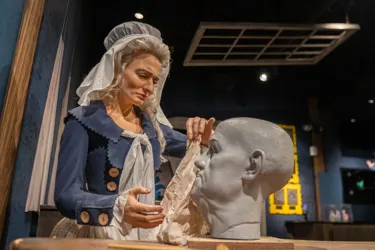
Why Madame Tussauds Orlando Works as an Educational Field Trip
An educational field trip should give students something they cannot get from a textbook alone. Madame Tussauds Orlando provides an opportunity to connect history, art, popular culture and the craft of sculpture through lifelike wax figures and interactive exhibits.
Located at ICON Park on International Drive, the attraction features more than 90 lifelike wax figures representing people and characters from areas including history, entertainment, music, sports and popular culture. Rather than presenting the figures only as objects to observe, many exhibits place them within interactive environments designed for photos and participation.
That combination gives teachers several ways to frame a visit.
A history class can examine how famous individuals are remembered and represented.
An art class can explore sculpture, proportion, facial detail, costume and the process of creating a likeness.
A media or cultural studies class can discuss why certain musicians, actors, athletes and public figures become cultural icons.
Students can also think about how an individual's public image is constructed and preserved through photography, performance, fashion and popular media.
Madame Tussauds Orlando officially offers school field trips for organized local K-12 groups, making the educational use of the attraction more than just an informal idea for teachers.
The History Behind Madame Tussauds
One of the strongest educational connections begins before students even consider the celebrities displayed inside the attraction.
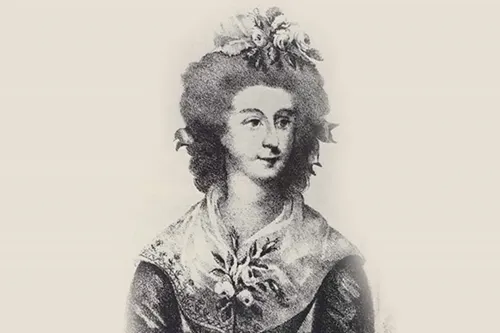
The history of Madame Tussauds stretches back more than 200 years to Marie Grosholtz, later known as Madame Tussaud. Born in Strasbourg in 1761, Marie learned wax modeling from Dr. Philippe Curtius. By 1777, she had modeled the famous writer and philosopher Voltaire, and she later became an art tutor to the sister of King Louis XVI at Versailles.
Her story became intertwined with one of the most turbulent periods in European history. During the French Revolution, Marie was involved in creating death masks. She later took her collection to Britain in 1802 and established a permanent exhibition in London in 1835.
That history gives teachers an interesting starting point for a field-trip discussion:
How can art preserve a moment in history?
Before photography, film and television, physical representations of famous people played a different role in helping audiences understand what historical figures looked like. Wax modeling became a form of visual storytelling as well as craftsmanship.
The Madame Tussauds tradition eventually developed into a global attraction brand. Madame Tussauds Orlando opened in 2015, bringing this long history of wax artistry into a modern Orlando attraction environment.
For students, the important connection is that the attraction is not simply about celebrities. It is also about the changing ways people have represented, remembered and experienced famous individuals.
What Students Can Learn From Wax Figure Art
The artistry behind a wax figure provides another natural classroom connection.
Creating a lifelike figure involves much more than pouring wax into a mold. Madame Tussauds' behind-the-scenes information describes a process involving measurements, photographs, sculpting, color work, hair styling and other specialist craftsmanship. Modern figure creation can take months and involves multiple artists and specialists.
Students can use a figure as an opportunity to think about artistic observation.
How accurately does a sculpture need to reproduce a person's proportions?
Which facial details make a likeness recognizable?
How do hair, eyes, skin coloring, clothing and posture contribute to someone's appearance?
Why might a particular outfit be chosen to represent a celebrity?
These questions move the conversation beyond "Does the figure look real?" and toward the principles behind portrait sculpture and visual representation.
The process also creates a useful connection between traditional craftsmanship and modern technology. Current figure-making practices combine established sculptural techniques with photography, measurements and other modern tools.
For an art class, that makes the attraction particularly useful as a real-world example of how traditional artistic skills can evolve alongside technology.
History Comes Face-to-Face With Students
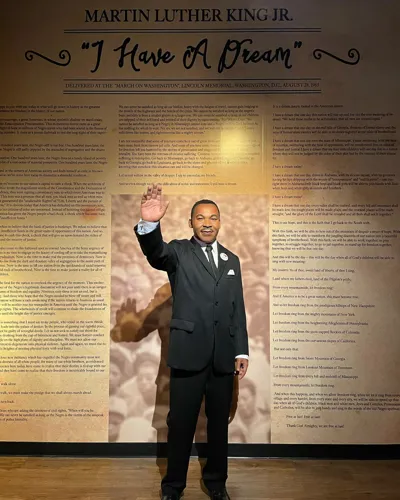
The History & Leaders area provides another reason Madame Tussauds Orlando can fit into an educational itinerary.
Current official information highlights historical and cultural figures including George Washington, Abraham Lincoln, Dr. Martin Luther King Jr., Neil Armstrong, Uncle Sam and Juan Ponce de León.
The educational value is not simply seeing a recognizable historical figure represented in wax. Teachers can use these figures as prompts for further research.
For example, students could select one historical figure and investigate:
-
What period did this person live in?
-
What historical events were connected to their life?
-
Why are they remembered today?
-
How has their public image changed over time?
-
What details were chosen to represent them?
-
What can a portrait communicate that a written biography cannot?
This approach turns the attraction into a starting point for research rather than the entire lesson.
The presence of historical figures alongside modern celebrities also creates an interesting discussion about cultural memory. George Washington, Abraham Lincoln and Neil Armstrong are remembered for their roles in history, while musicians, actors and athletes may become cultural icons through entertainment, sport and mass media.
Students can compare the different reasons people become famous.
From Historical Figures to Pop Culture Icons
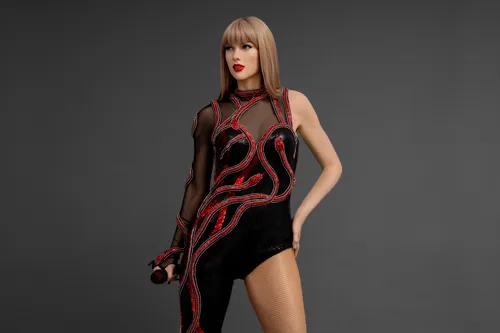
One of the most useful aspects of Madame Tussauds Orlando for older students is the opportunity to connect historical study with contemporary culture.
The attraction currently features figures representing music, movies, sports, television and other areas of popular culture. Current official materials highlight figures including Taylor Swift, Beyoncé, Ariana Grande, Bad Bunny, Lionel Messi and Dwayne Johnson, among many others. The lineup can change, so teachers should check the official attraction information before planning an assignment around a specific figure.
This makes the attraction useful for discussions about cultural influence.
A music class could examine how performers develop recognizable public identities.
A media class could consider how photography, costume, performance and social media contribute to celebrity image.
A sports class could examine how athletes become international cultural figures.
A film class could explore how actors and characters become part of popular culture.
A social studies class could compare historical influence with contemporary celebrity influence.
The important distinction is that students are not meeting the real celebrities. They are seeing wax representations of public figures. That distinction itself can become part of the lesson.
Celebrity → public image → cultural influence → wax representation
That simple relationship can lead to surprisingly thoughtful classroom conversations.
Why Interactive Exhibits Matter for Students
A traditional museum exhibit often asks visitors to observe an object. Madame Tussauds Orlando adds interactive elements that allow visitors to participate in themed environments.
The attraction's official description includes experiences involving singing, dancing, sports and immersive scenes, alongside lifelike figures.
The Justice League experience, for example, combines figures and interactive special effects with environments inspired by DC Comics characters. Students can consider how lighting, sound, projection and physical environments affect storytelling.
That creates another potential classroom connection:
How does the environment change the story?
A wax figure standing alone communicates something different from the same figure placed inside a carefully designed scene with lighting, sound, props and interactive elements.
For students studying theater, film, media or visual communication, this provides a practical example of how storytelling is created through multiple elements working together.
A Field Trip Can Connect Multiple Subjects
One of the biggest advantages of using Madame Tussauds Orlando as a field-trip destination is that the experience does not have to belong to one subject.
|
Subject |
Possible Field Trip Connection |
|
History |
Historical figures, cultural memory and major events |
|
Art |
Sculpture, portraiture, proportion, materials and detail |
|
Social Studies |
Public figures, leadership and cultural influence |
|
Media Studies |
Celebrity image, photography and visual storytelling |
|
Music |
Musicians, performance, image and cultural impact |
|
Sports |
Athletes, achievement and global sports culture |
|
Film & Theater |
Characters, actors, sets and immersive storytelling |
|
Technology |
Modern tools used alongside traditional artistic techniques |
Teachers can therefore build an assignment around the subject they are already teaching instead of trying to create an entirely separate curriculum around the attraction.
An Educational Field Trip Can Still Be Fun
The educational value does not require students to spend the entire visit standing quietly in front of exhibits.
The interactive nature of Madame Tussauds Orlando gives students opportunities to observe, photograph and participate while teachers guide the experience around specific learning objectives.
A simple field-trip activity could ask students to choose three figures:
One historical figure: What did this person contribute to history?
One artist or entertainer: How did this person influence popular culture?
One athlete or contemporary figure: Why is this person recognizable around the world?
Students could then compare how each figure is represented.
Another option is an art-focused observation exercise. Students can choose one wax figure and identify the visual details that make the likeness convincing, such as facial expression, hairstyle, clothing, pose and proportions.
The attraction becomes the source material for the assignment rather than simply the backdrop for a school outing.
The VIP Tour Can Add More Context
For groups seeking a more guided experience, the Madame Tussauds Orlando VIP Tour provides another potential educational layer.
The current VIP experience includes a guide who shares celebrity stories, behind-the-scenes information and details about the artistry behind the wax figures. Current information also lists a Madame Tussauds guidebook, a single-color single-hand Wax Hands experience and Magic Memories VIP Photo Pass digital downloads among the tour inclusions. Each tour accommodates up to 10 guests.
For a school or educational group, the value of a guided format is the additional context it can provide around the attraction's history, figures and craftsmanship.
Availability and suitability for a particular school group should be confirmed with the attraction before booking.
What Teachers Should Know Before Booking
Madame Tussauds Orlando currently offers dedicated school field-trip arrangements for organized local K-12 groups.
For qualifying school groups of at least 10 people, the attraction lists discounted field-trip admission, reservations at least 14 days in advance and Monday through Friday availability. The current school program also provides one free adult chaperone ticket for every 10 paid child tickets, with one adult chaperone required for every 10 children.
Current listed school field-trip pricing includes:
-
$10.50 per person: Madame Tussauds Orlando
-
$17.50 per person: Madame Tussauds Orlando plus SEA LIFE Orlando Aquarium or The Orlando Eye
-
$24.50 per person: Madame Tussauds Orlando, SEA LIFE Orlando Aquarium and The Orlando Eye
These rates are published by the attraction and may change, so teachers should verify the current pricing and booking requirements before finalizing a trip.
The attraction also offers field-trip options for organized youth groups such as Scouts, camps, YMCAs, Parks & Recreation associations and kids clubs.
Build a Multi-Subject Day at ICON Park
Madame Tussauds Orlando is located at ICON Park on International Drive, which makes it possible to build a broader educational day around multiple attractions.
School field-trip tickets currently allow qualifying groups to combine Madame Tussauds Orlando with SEA LIFE Orlando Aquarium and The Orlando Eye.
That can create an interesting contrast between learning experiences.
Madame Tussauds Orlando: history, art, sculpture, celebrity culture and visual storytelling.
SEA LIFE Orlando Aquarium: marine life and aquatic environments.
The Orlando Eye: observation, geography and views of the surrounding Orlando area.
The three attractions can therefore support different classroom themes within the same field-trip day. Teachers should confirm current operating details and group scheduling when planning a multi-attraction visit.
What Makes Madame Tussauds Different From a Traditional Museum?
Madame Tussauds Orlando is not a traditional history museum or art museum, and that distinction matters.
Its educational value comes partly from the way it connects subjects that students encounter separately in school.
A historical leader can sit within the same broader attraction environment as a musician or athlete. Sculpture exists alongside photography and immersive design. Traditional craftsmanship connects with modern technology. Public history meets contemporary celebrity culture.
That creates an opportunity to ask a question that applies far beyond the attraction:
Why do certain people become part of the way society remembers an era?
The answer can be different for a president, an astronaut, an artist, a musician, an athlete or a fictional character.
For students, recognizing those differences can make the experience more meaningful than simply identifying famous faces.
Planning an Orlando Field Trip With a Learning Goal
The most useful way to approach Madame Tussauds Orlando as an educational field trip is to decide what students should learn before choosing the activity.
For a history class, focus on historical figures and cultural memory.
For an art class, focus on portrait sculpture and craftsmanship.
For a media class, focus on celebrity representation and visual storytelling.
For a music class, focus on performers and cultural influence.
For a sports class, focus on athletes and international recognition.
For a mixed-age group, use a simple observation assignment that allows students to choose figures connected to their own interests.
The attraction can then become part of the lesson rather than simply a break from the classroom.
An Educational Field Trip With a Pop Culture Twist
A school field trip does not have to look like a conventional classroom lesson to be educational.
Madame Tussauds Orlando brings together more than two centuries of wax artistry, historical figures, contemporary celebrities, interactive environments and pop culture. Its school field-trip program gives K-12 groups a practical way to experience those subjects outside the classroom.
For teachers, the most useful opportunity may be the ability to shape the experience around the curriculum already being taught.
Students can investigate historical figures, analyze artistic techniques, consider how celebrity images are created, explore the relationship between people and popular culture, and examine how a centuries-old craft has evolved into a modern interactive attraction.
That makes Madame Tussauds Orlando more than a place to take photos with famous figures. For the right class, it can be a starting point for conversations about history, art, culture, media and the ways people are remembered.
Frequently Asked Questions About Madame Tussauds Orlando Field Trips
Yes. Madame Tussauds Orlando offers dedicated school field trips for organized local K-12 groups. The attraction describes the experience as an educational opportunity involving celebrities, influential leaders, historical figures and sports icons, with discounted school-group admission available for qualifying groups.
Students can explore topics including history, portrait sculpture, wax artistry, celebrity culture, media representation, sports, music and visual storytelling. The historical figures and behind-the-scenes artistry can provide particularly useful connections to classroom discussions.
It can provide useful examples of portrait sculpture, proportion, facial detail, costume and artistic craftsmanship. The attraction's figure-making process involves sculptors, photographers, color specialists, hair specialists and other professionals, creating opportunities to discuss how a lifelike likeness is constructed.
Yes. Current school field-trip options include combination admission to Madame Tussauds Orlando and SEA LIFE Orlando Aquarium, as well as a three-attraction option that also includes The Orlando Eye.
The current school program requires a minimum of 10 people to qualify for school-group pricing. Reservations are required at least 14 days in advance.
Yes. The history of Madame Tussauds begins with Marie Grosholtz, later known as Madame Tussaud, who was born in 1761 and learned wax modeling from Dr. Philippe Curtius. She later took her collection to Britain and established a permanent exhibition in London in 1835.
Plan Your Madame Tussauds Orlando Field Trip
For teachers planning an Orlando field trip, Madame Tussauds Orlando offers a way to bring several classroom subjects into one experience.
Students can explore the history of Marie Tussaud, examine the craftsmanship behind lifelike wax figures, study historical leaders, discuss celebrity culture and investigate how visual storytelling shapes the way famous people are remembered.
The result is an educational experience that begins with famous faces but can lead much further into history, art, culture and the changing ways people tell stories about the people who shape our world.
For current school-group requirements, ticket options and booking information, check the official Madame Tussauds Orlando school field-trip information before planning your visit.
Related blogs

The Original Female Mogul: How Madame Tussaud Built a Global Brand in the 19th Century
Long before influencers, social media, or multinational companies, one remarkable woman built a global entertainment brand that continues to captivate millions of visitors more than 200 years later. Discover how Marie Tussaud transformed her extraordinary talent into one of history's most recognizable attractions and why her legacy is alive and well at Madame Tussauds Orlando.
Related blog posts
Elvis Presley in Orlando: Where to See His Wax Figure & Florida History
Elvis Presley left an unforgettable mark on music, movies and pop culture. Discover his Florida connections, explore his greatest albums and films, find Elvis tribute shows and festivals around Orlando, and meet the King of Rock and Roll at Madame Tussauds Orlando.
Related blog posts
Taylor Swift in Orlando: A Swiftie’s Guide to Her Music, Eras and Wax Figure at Madame Tussauds
From Taylor Swift and Fearless to The Tortured Poets Department and The Life of a Showgirl, celebrate every Taylor Swift era and discover where to see Taylor Swift in Orlando at Madame Tussauds.
Related blog posts
The Perfect Group Activity in Orlando: Why Everyone Wins at Madame Tussauds
Planning a group outing in Orlando? From celebrity selfies and sports legends to interactive experiences and plenty of photo opportunities, Madame Tussauds Orlando gives groups a fun way to make memories together.
Related blog posts
Best Indoor Attractions in Orlando for Rainy Days
Looking for things to do when it rains in Orlando? Discover the ultimate indoor guide featuring Madame Tussauds Orlando, ICON Park, and top indoor theme park fun!
Related blog posts
Madame Tussauds Orlando VIP Tour: What to Expect From the VIP Experience
Go beyond the ordinary attraction experience with the Madame Tussauds Orlando VIP Tour. Led by your own personal guide, this exclusive 90-minute journey takes guests behind the scenes of Orlando’s world-famous wax attraction with celebrity stories, hidden details, personalized photo opportunities, a VIP guidebook, digital photo downloads and a collectible wax hand keepsake.
Related blog posts
Best Things to Do on International Drive Orlando: The Complete Guide
Discover the best things to do on International Drive Orlando with this complete guide. Explore 15 top I-Drive attractions including ICON Park, Madame Tussauds Orlando, SEA LIFE Orlando Aquarium, The Orlando Eye, dining, entertainment, and family-friendly experiences.
Related blog posts
Most Instagrammable Places in Orlando: The Ultimate Photo Guide
Discover the most Instagrammable places in Orlando, from Madame Tussauds Orlando and The Orlando Eye to SEA LIFE Orlando Aquarium, Lake Eola Park, ICON Park, and more. Find the best Orlando photo spots for unforgettable vacation memories.
Related blog posts